
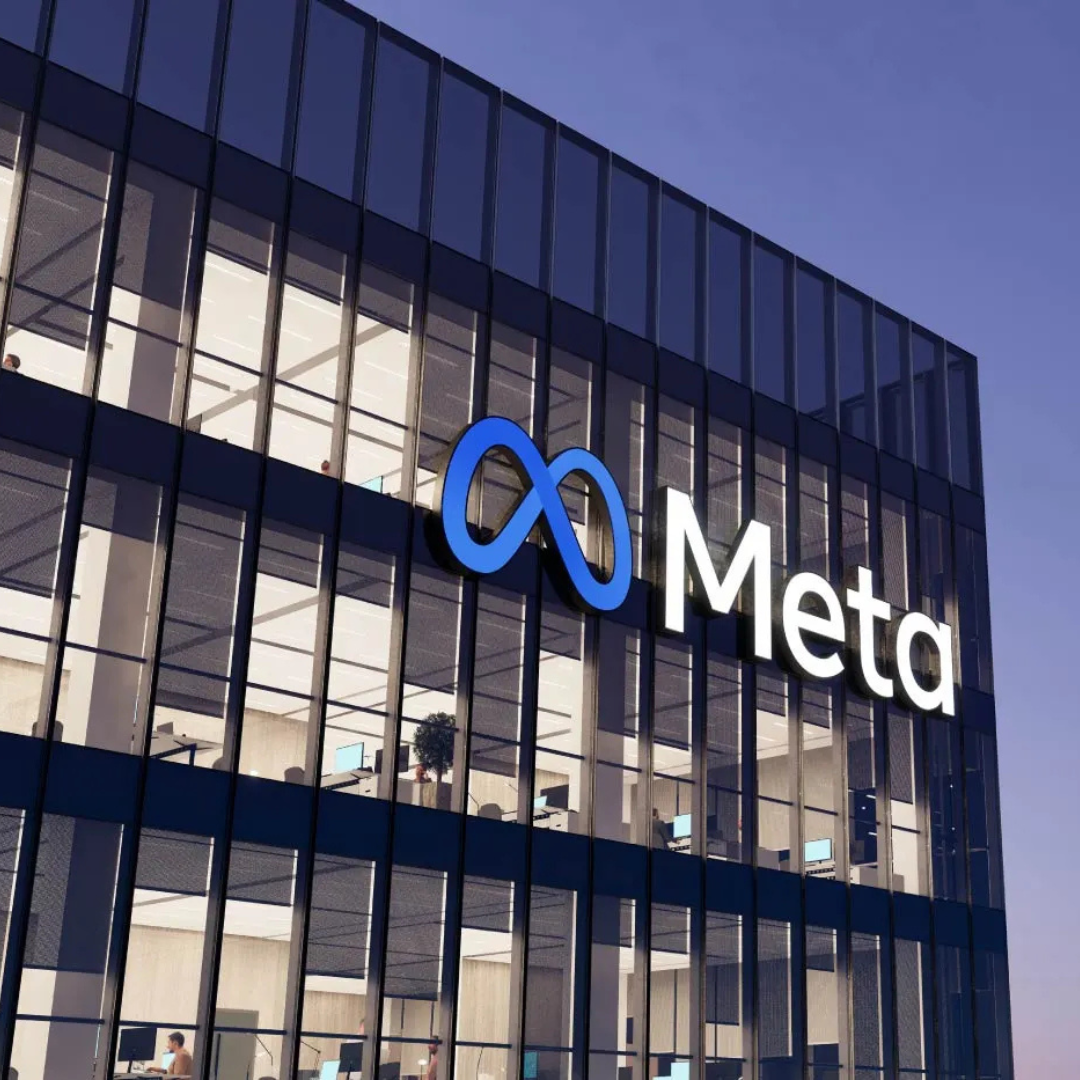
Reuters: Meta Planning Layoffs That Could Cut 20% of Its 79,000-Person Workforce
Staffing your team doesn’t have to be hard.
Reach out and see how we can help.
Resume Now Survey: 57% of Workers Say AI Is Eroding Human Skills
A new national survey of more than 1,000 employed U.S. adults from Resume Now found that workers’ top concern about AI isn’t job loss. It’s skill erosion. 57% said AI reducing human skills will be the biggest workforce issue of 2026, ranking above job displacement (49%) and dehumanization of work (42%).
63% of workers expect AI to make the workplace feel less human this year. Only 16% think it will make things better. And when asked about their biggest personal fear, 29% said job loss, followed by data misuse and privacy violations (23%) and loss of creativity and critical thinking (20%).
One finding pushes back on the hype: 48% of workers say AI skills will matter in some jobs but not most by year’s end. Only 18% expect AI skills to be required across nearly all white-collar roles. Workers aren’t bracing for an overnight overhaul. They’re expecting uneven adoption, with some roles changing fast while others shift more gradually.
The takeaway for employers: your people are worried about losing the skills that make them good at their jobs in the first place, not only about being replaced. That’s a signal to invest in supporting your employees through the transition, not only in deploying the technology.
WEF Report: Only 15% of Companies Are Redesigning Work Around AI
The World Economic Forum and Accenture published a major white paper this month showing that most organizations are still running isolated AI experiments. Only about 15% are using AI to fundamentally redesign how work gets done. The rest are stuck in pilot mode.
The report, based on consultations with more than 450 executives across industries, found that companies embedding AI into core workflows are seeing 30% faster hiring, 33% productivity gains per hour of AI use, and 4x faster skill deployment. Organizations are also flattening hierarchies, with middle managers shifting from supervising tasks to orchestrating human-AI workflows.
Unilever’s AI-powered internal talent marketplace has freed up roughly 500,000 hours of capacity and improved productivity by 41%. Moderna merged its HR and IT departments under a single executive to coordinate which work goes to humans and which goes to AI tools. These are structural changes to how companies operate, and they directly affect how many people get hired, what roles look like, and what skills matter. Workers who want to stay ahead should invest in AI literacy and digital fluency now, before their employer’s restructuring catches up with them.
Frequently Asked Questions
Meta’s reported layoffs are driven by two forces. First, the company plans to invest $600 billion in AI data centers by 2028, and reducing headcount helps offset that cost. Second, CEO Mark Zuckerberg has said AI tools are enabling smaller teams to do the work that previously required larger ones. Meta generated more than $200 billion in revenue in 2025. The cuts aren’t about financial trouble. They’re about restructuring the business around AI.
AI is accelerating layoffs across the tech sector. Amazon cut 16,000 jobs in January 2026, citing AI-driven efficiency gains. Block eliminated nearly half its workforce last month, with its CEO pointing directly to AI capabilities. Meta’s reported 20% reduction would affect more than 15,000 workers. The common thread: companies are betting that AI tools will let them produce the same output (or more) with significantly fewer people.
According to a Resume Now survey of more than 1,000 employed U.S. adults, the top concern is skill erosion, with 57% of workers saying AI reducing human skills will be the biggest workforce issue of 2026. That ranked above job displacement (49%) and dehumanization of work (42%). On a personal level, 29% cited job loss as their biggest individual fear, followed by data misuse (23%) and loss of creativity and critical thinking (20%).
AI skills are becoming increasingly relevant, but workers don’t expect a universal mandate. A Resume Now survey found 48% believe AI skills will matter in some jobs but not most by the end of 2026. Only 18% expect AI proficiency to be required across nearly all white-collar roles. That said, the WEF reports that companies using AI for talent management are seeing 30% faster hiring and 33% productivity gains per hour of AI use, suggesting that workers who build AI fluency now will have a meaningful advantage.