
The Shutdown Pay Deal That Is Shaking Washington & More Job Cuts
Episode Overview
The latest ADP data reveals private employers are trimming headcount as 2025 winds down. Small weekly losses that hint at a larger story: caution is back in the job market. Companies aren’t collapsing; they’re calculating, pausing to reassess budgets, automation, and 2026 workforce plans.
Meanwhile, Gartner forecasts that 32 million jobs will be transformed by AI every year. Forget the “AI will take your job” panic; this is about task reshuffling and skill reinvention. Host Pete Newsome unpacks what it means for employers building lean, AI-first teams and for workers learning to partner with technology instead of competing with it.
Additional Resources
- ADP’s “The NER Pulse”
- Gartner Says Leaders Must Create Four Scenarios for Human-AI Collaboration at Work
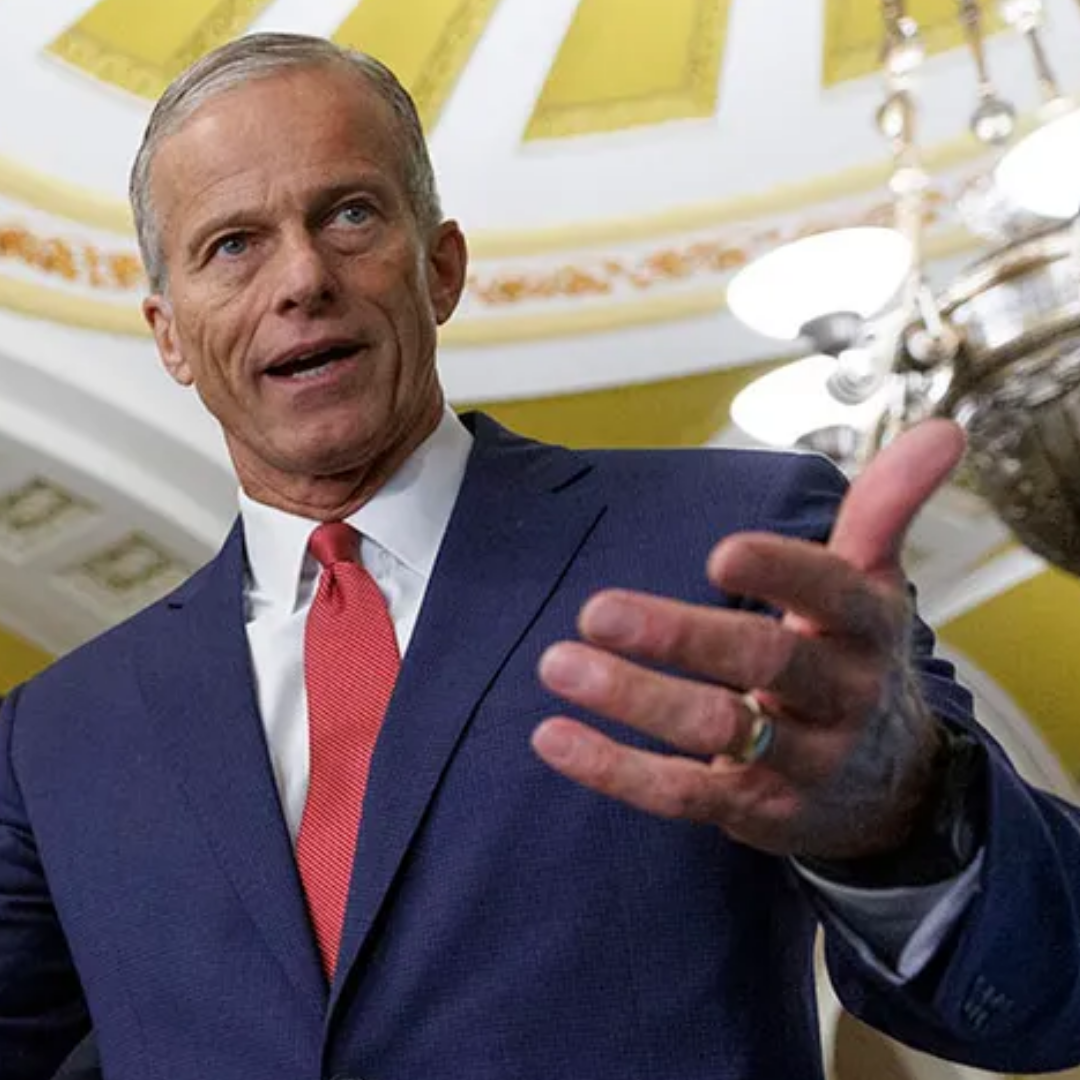
- The Tentative Senate Deal
Transcript
Pete Newsome: 0:00
Today’s job market headlines include impending job chaos and some good news for federal workers. But first, ADP Research Institute reported that for the four weeks ending October 25th, private employment declined an average of more than 11,000 jobs per week. The data is drawn from ADP’s National Employment Report Pulse. It’s something new that they’re doing weekly, and of course it’s preliminary and subject to revision as additional payroll information becomes available. All these reports should say that because we know how often those revisions happen. But for this data specifically, the trend was positive in early October. I mean, things look like they were actually trending up for a bit, but for the past couple weeks now they’ve been heading in the wrong direction.
0:44
And even a modest decline like this really does speak volumes about where employer confidence currently stands as we head into the end of the year. And it’s kind of the same story, different day lately. And that story is uncertainty, whether it’s inflation, tariffs, rate cuts, the shutdown, hopefully that’s going to end. It looks like it will. But all that is combined into a lack of consumer demand. And that’s just going to impact what happens as we end the year and as we go into next year for 2026 planning. So look, I hate saying hope because we know that that’s not a strategy, but I’ll say it anyway.
1:24
I hope that we see this turnaround soon. I hope that we get some stability from what the Trump administration is doing, from what uh all the infighting that’s going on with um in the Senate right now. I don’t have a lot of um expectations that that’s going to happen, but we do need to see just some stability for the market to start heading in the right direction. So fingers crossed that that will happen. In other news, AI may not take your job right away, but chaos is coming. At least according to new research from Gartner. They say we’re entering a period called jobs chaos, where between 2028 and 2029, more than 32 million jobs per year will be reconfigured or combined with AI. On a daily basis, 150,000 jobs will evolve through upskilling, while another 70,000 will be rewritten entirely.
2:17
Gartner outlined four scenarios that they say represent AI’s ripple effect on jobs and organizations. Scenario one is fewer workers doing the work AI can’t. AI will handle most of the tasks and humans will fill in the gaps. The example they use is customer service. Scenario two, fewer to no workers in AI-first enterprises. This is where highly autonomous operations will exist with minimal human oversight. Scenario three, many busy workers using AI to work better and do more. Humans will leverage AI as a tool to improve existing workflows. And then scenario four, many innovative workers combining with AI to push new frontiers. This is where AI and humans will collaborate to solve complex challenges such as breakthroughs in medicine.
3:05
Now, Gartner analyst Helen Poidevin said no matter which scenario executive leaders pursue, they must be ready to support all four. The ripple effects of AI will make each scenario a reality. Also in the press release, they say AI first will only succeed when it’s people first. Now that sounds nice and neat. Seems so clean, doesn’t it? But I’m just not convinced. Are we going to be in an age of more collaboration or will it ultimately be competition? We know right now companies are actively trying to find ways to increase efficiency, save costs, do more with fewer workers by leveraging AI. And while a lot of people don’t subscribe to that possibility at all, they think it’s just it’s it’s a lot of hype in the AI space right now. Um I I’m on the I’m on the other side of that argument. I think that this is going to be inevitable with AI becoming just increasingly more prevalent, and I believe that’s going to pick up speed a lot faster than most anticipate.
4:06
And so the takeaway from this, and when I see all these reports, is look, we can’t predict what’s going to happen, but we have to be willing to adapt. Now let’s close on a positive note. After missing two paychecks and facing layoffs, federal employees finally get some good news. The Senate’s new bipartisan agreement to end the government shutdown includes back pay for all federal employees and reverses more than 4,200 reductions in force, which were the layoffs that took effect when the shutdown began on October 1st. Wow, it’s really been a long time. Union leaders called the move a win for fairness, stability, and talent retention. The shutdown, as we all know, was a political disagreement, right?
4:54
It was over healthcare, had nothing to do with the workers. And so, regardless of which side of that argument you’re on, I’m sure everyone can agree that no employee should be a pawn in a political negotiation. Not that that’s ever happened before. I’m being facetious, it happens all the time. Okay, so those are your headlines for today. Not a huge news day, but a couple really important things. Jobs are trending down, more AI news, as always. That’s a daily occurrence, and good news on the shutdown coming to an end. So great to see that. But before we close, since we talked about federal as our last headline, here’s your fun fact for today on that note.
5:34
The first woman to be appointed to a U.S. cabinet position was Frances Perkins, who served as the Secretary of Labor from 1933 to 1945, or groundbreaker. That doesn’t sound like that long ago for a woman to be in a cabinet position, but I guess that just shows where we were in the not too distant past. So good to see that has evolved a lot. So there we are for today. Thanks so much for listening. Please like and subscribe, share with anyone who you think might be interested. And I look forward to talking to you tomorrow.