
Business Casual vs. Business Professional: What to Wear to an Interview

What you wear to an interview makes a statement even before you introduce yourself. In a labor market where hiring managers make decisions faster than ever and where impressions are often formed in the first seven seconds, your outfit becomes part of your professional story. Yet even the most qualified candidates still ask one of the most common (and most stressful) questions in the hiring process: Should I wear business casual or business professional?
As someone who has coached countless candidates over the years, I’ve seen wardrobe choices influence confidence, shape first impressions, and in some cases, determine how seriously a hiring manager views an applicant. I still remember a candidate who showed up to a corporate finance interview in a fantastic, but far too casual, outfit. She was qualified, prepared, and personable, but the hiring manager admitted afterward that the disconnect between her skills and her attire made him wonder how she’d show up with clients. A small detail, but one that changed the outcome.
The good news? Interview attire doesn’t have to be confusing. Once you understand the difference between business casual and business professional and know how to read a company’s culture, you can show up with clarity, confidence, and a polished presence that aligns with the role you want.
In this guide, I’ll break down both dress codes in simple, modern terms, explore when each is appropriate, and give you real examples of what to wear so you can make the strongest possible impression in your next interview.
Ready to walk in looking like the person they want to hire? Let’s start with the basics.
Why Interview Attire Still Matters in Today’s Job Market
Even in a world where remote work, hybrid teams, and relaxed office cultures have reshaped our norms, interview attire remains one of the most visible signals of professionalism. What you wear won’t compensate for a weak resume or poor preparation, but it can elevate your presence, reinforce your credibility, and subtly communicate that you understand what’s expected in the role.
From a staffing perspective, hiring managers pay attention to the details long before assessing your technical skills. I’ve sat in countless debriefs where leaders mentioned a candidate’s preparation, polish, or poise before talking about their interview answers. Your outfit isn’t the deciding factor, but it frames the conversation. It sets the stage for how seriously they take you and how confidently you carry yourself.
Interview attire also matters because the modern job market is filled with ambiguity. Dress codes vary widely across industries, and companies often use vague descriptors like “comfortable,” “relaxed,” or “professional environment” without outlining what those terms really mean. Candidates are left trying to interpret a culture they haven’t yet experienced.
And here’s the truth: people tend to perform better when they feel put together. There’s a psychological shift that happens when you dress for the part you want; your posture improves, your tone steadies, and your confidence rises. And that matters, especially in high-stakes conversations where confidence carries weight.
Understanding the difference between business casual and business professional is the first step in removing guesswork and presenting yourself in a way that aligns with the company, the role, and the level of responsibility you’re aiming for.
What Is Business Casual?
Business casual is a polished, relaxed version of professional attire: clean, well-fitted clothing that looks intentional without the formality of a full suit. Think of it as the midpoint between weekend wear and traditional corporate dress: comfortable, modern, and appropriate for most office settings without feeling overly formal.
What women typically wear in a business casual setting
Women’s business casual clothing usually includes tailored, polished pieces that look professional without feeling overly formal. Common options include:
- Tailored slacks or ankle-length pants
- Blouses or structured knit tops
- Cardigans or lightweight blazers
- Knee-length or midi dresses in simple silhouettes
- Refined fabrics such as crepe, ponte, wool blends, or crisp cotton
- Professional footwear like flats, loafers, block heels, or low pumps
What men typically wear in a business casual setting
For men, business casual combines structured essentials with relaxed elements that still read as professional. Typical items include:
- Chinos or dress pants
- Button-down shirts or polos (depending on the workplace)
- Lightweight sweaters layered over collared shirts
- Optional blazers or sport coats for added polish
- Loafers, oxfords, derby shoes, or sleek leather sneakers
Business casual do’s and don’ts
Business casual works best when the outfit looks intentional, polished, and comfortably professional. Keep these guidelines in mind:
Do:
- Choose clothing that is pressed and well-fitted
- Stick to neutral or muted colors like navy, charcoal, black, tan, or soft earth tones
- Opt for modest silhouettes and simple accessories
- Prioritize clean, polished shoes that match the overall outfit
Don’t:
- Wear athletic wear, leggings, or overly casual fabrics
- Choose distressed, ripped, or overly trendy items
- Wear loud prints, graphic tees, or anything flashy or distracting
- Show up in open-toe sandals, flip-flops, or shoes better suited for weekends
What Is Business Professional?
Business professional is the most formal tier of workplace attire: structured, polished, and rooted in traditional corporate dress. It typically includes tailored suits, conservative colors, and refined accessories that signal professionalism and readiness for high-stakes environments. If business casual is about flexibility, business professional is about authority, confidence, and intention.
Typical business professional attire for women
Women’s business professional clothing centers around structured pieces that create a clean, cohesive look. Common items include:
- Tailored pant suits or skirt suits in dark or neutral shades
- Blouses in solid colors or subtle patterns
- Knee-length sheath dresses paired with a blazer
- Closed-toe pumps in black, nude, or neutral tones
- Simple jewelry and understated accessories
- Fabrics like wool, ponte, suiting blends, and premium cotton
The goal is to look sharp, refined, and polished, without anything that distracts from your professionalism.
Typical business professional attire for men
Men’s business professional attire is built around traditional suiting, emphasizing clean lines and consistent color palettes. Typical items include:
- A matching two-piece suit in navy, charcoal, or black
- A long-sleeve button-down dress shirt
- A conservative tie in a simple pattern or solid color
- Leather dress shoes, such as oxfords or derbies
- A coordinating belt and minimal accessories
- Crisp, structured fabrics designed for formal wear
This look conveys seriousness, preparation, and respect for the interview’s formality.
Business professional do’s and don’ts
Do:
- Choose a well-tailored suit that fits your body properly
- Stick to darker neutrals and classic silhouettes
- Keep accessories minimal and high-quality
- Ensure shoes are polished and in good condition
Don’t:
- Wear loud prints, bold colors, or flashy accessories
- Choose oversized bags or anything that arrives looking sloppy
- Use heavy fragrances or colognes
- Mix overly casual pieces, like knit sneakers or polos, into the outfit
Business Casual vs. Business Professional: Key Differences Explained
| Category | Business Casual | Business Professional |
|---|---|---|
| Formality Level | Moderately polished; relaxed but still professional | Highest level of workplace formality; structured and traditional |
| Typical Outfits | Slacks, chinos, blouses, sweaters, polos, casual blazers | Full suits, blazers, dress shirts, ties, tailored dresses |
| Fit & Structure | Flexible, comfortable, lightly tailored | Strong tailoring, clean lines, precise fit |
| Color Palette | Neutrals + soft tones; more variety allowed | Dark neutrals: navy, charcoal, black, classic, and conservative |
| Footwear | Flats, loafers, leather sneakers, low heels | Closed-toe heels, oxfords, derbies, polished dress shoes |
| Accessories | Minimal but can show personality | Very minimal; understated and classic |
| Grooming Expectations | Clean, neat, professional | Extra polished; highly intentional grooming |
| Appropriate Settings | Tech, creative industries, casual corporate offices | Finance, law, consulting, executive roles, client-facing environments |
| Overall Impression | Approachable, modern, confident | Authoritative, polished, prepared for high-stakes environments |
What Should You Wear to an Interview? (The Clear Answer)
Choosing between business casual and business professional depends on the industry, the role, and the company’s culture. While there’s no one-size-fits-all rule, there is a reliable framework that consistently helps candidates show up polished and appropriately prepared.
How to choose based on industry
Different industries signal formality in different ways, and your attire should match that environment.
- Tech & startups: Business casual or “elevated casual” (tailored pants, blouse/button-down, optional blazer). These environments prioritize comfort and creativity, but looking polished still matters.
- Creative fields: Business casual with personal style incorporated thoughtfully, structured outfits with subtle visual interest.
- Finance, law, & consulting: Always business professional. These sectors value formality, tradition, and authority.
- Healthcare, government, & education: Depends on the role. Corporate-facing or leadership interviews lean toward business professional attire; clinical or administrative interviews may accept business casual.
How to choose based on role seniority
The higher the responsibility, the more formal the expectation.
- Entry-level roles: Business casual for most industries unless interviewing in a highly traditional field.
- Mid-level roles: Business casual at minimum; business professional if the role involves leadership, management, or client interaction.
- Senior leadership roles: Business professional almost always. The outfit should reflect readiness for high-stakes decision-making.
When in doubt, dress one level above the company norm
This is the safest, most effective rule. If a company dresses casually, you aim for polished business casual. If they operate in business casual, you show up in business professional. Going one level up shows intention, respect, and awareness without feeling out of place.
Why overdressing is safer than underdressing
From years of staffing experience, I can tell you: hiring managers rarely penalize someone for being too polished. But underdressing can raise doubts about judgment, executive presence, or cultural alignment. Dressing slightly elevated communicates that you take the opportunity seriously and understand professional expectations.
Real Examples of Interview Outfits That Make a Great Impression
Business casual interview outfits (women + men)
Business casual interview wear should feel polished, intentional, and comfortable. Here are examples that strike the right balance:
For women:
- Tailored ankle pants, a structured blouse, and a lightweight blazer in a neutral color
- A knee-length dress with a cardigan and closed-toe block heels
- Black slacks paired with a refined knit top and simple jewelry
- A midi dress in a solid color with loafers and a minimal tote
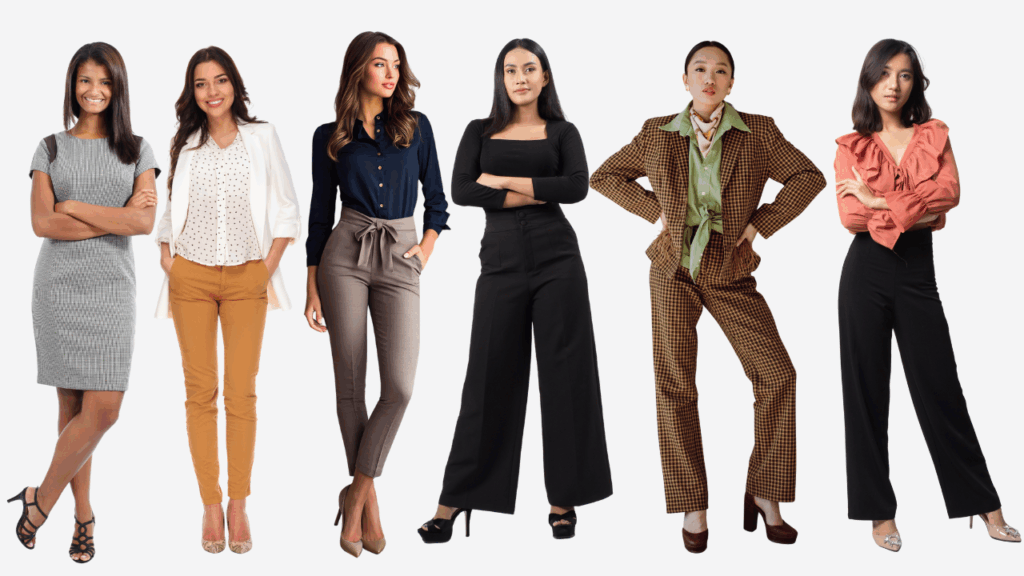
These outfits project confidence without appearing overly formal, perfect for tech, creative industries, or modern corporate environments.
For men:
- Chinos paired with a button-down shirt and an optional blazer
- Dress pants with a fine-gauge sweater layered over a collared shirt
- A button-down shirt with tailored slacks and polished loafers
- A sport coat over a neutral polo for more relaxed industries
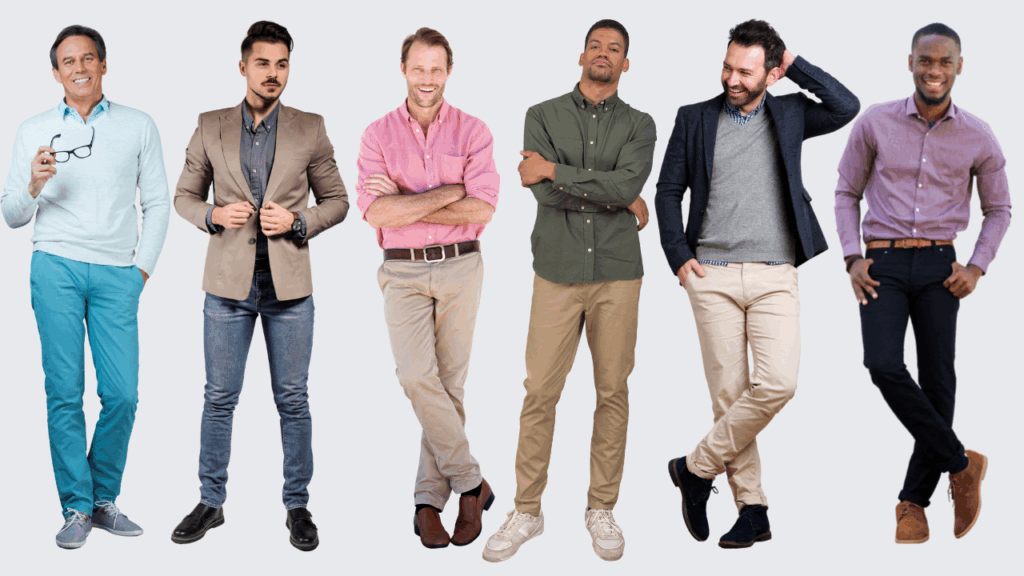
Each look is structured enough for an interview but leaves room for personality and comfort.
Business professional interview outfits (women + men)
Business professional attire should communicate readiness, reliability, and executive presence. These examples show what that looks like:
For women:
- A tailored pant suit with a blouse in a muted or soft tone
- A knee-length sheath dress paired with a blazer and closed-toe heels
- A pencil skirt and blazer with a crisp button-down shirt
- A dark, structured suit with minimal jewelry and a professional tote

These outfits create a clean, cohesive look that instantly reads as polished and prepared.
For men:
- A navy or charcoal suit with a white button-down shirt and conservative tie
- A black suit with polished oxfords and a coordinating belt
- A patterned-but-subtle tie paired with a well-fitted grey suit
- A dress shirt with a suit in a dark neutral and classic leather dress shoes
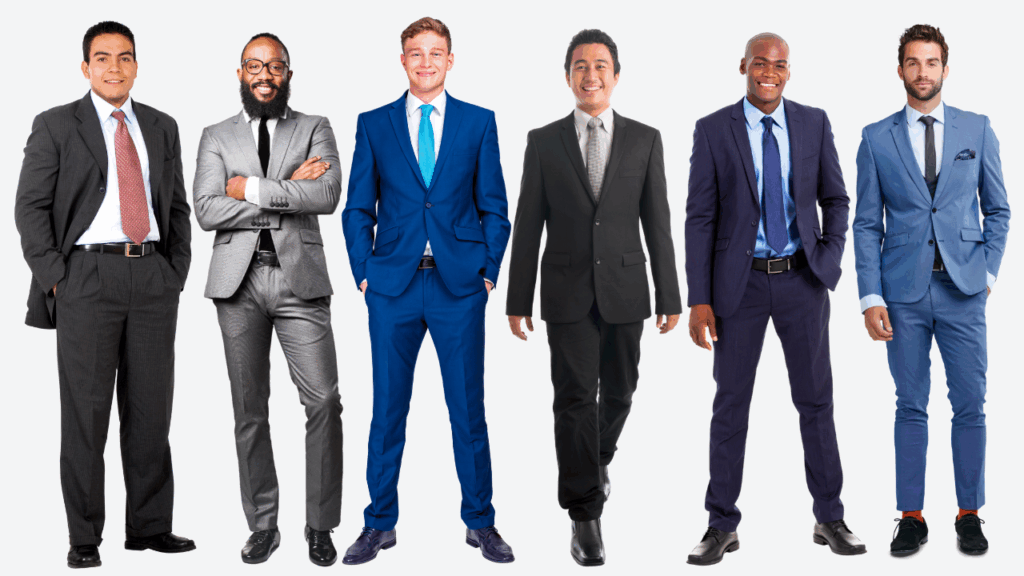
This level of formality is ideal for finance, law, consulting, leadership roles, and any company with a traditional corporate culture.
How to Find a Company’s Dress Code Before Your Interview
Scan company photos on LinkedIn and careers pages
Most companies reveal their culture without realizing it. Browse their LinkedIn posts, “About Us” page, or team photos on the careers site. You’ll often see employees at events, in meetings, or in office spaces. If everyone is wearing jeans and sweaters, the environment is likely casual. If you see blazers, dresses, and button-downs, plan for something more formal.
Check employee social media profiles
Search employees by job title on LinkedIn, especially those in the department you’re interviewing with. Their headshots, videos, and recent posts often show how they present themselves professionally. While this isn’t a perfect indicator, it gives helpful clues about what feels “normal” inside the company.
Ask the recruiter directly (and how to phrase it)
Recruiters want you to feel prepared; they’re rooting for you. A simple, confident question is more than appropriate: “Can you share what the typical dress code is for the team? I want to make sure I’m aligned for the interview.” This shows intention, professionalism, and respect for the process.
Red flags that a dress code is unclear
If you can’t find any visuals, the company doesn’t show employees online, or the recruiter gives a vague answer like “We’re pretty relaxed,” assume that interview attire should be more polished. When information is unclear, the safest option is an elevated business-casual outfit or a full business professional outfit, depending on the industry.
Related: How to Research a Company for a Job Interview
Final Prep Tips Before Your Interview
Ensure everything fits properly
A well-fitted outfit instantly elevates your appearance. Tailored pieces: properly hemmed pants, a blazer that lies flat, sleeves that hit the right length, signal intention and professionalism. If something pulls, gaps, or hangs awkwardly, it’s better to replace it.
Keep accessories simple
Jewelry, watches, bags, and belts should complement your outfit, not distract from your presence. Clean lines, neutral colors, and subtle details leave room for your personality without overwhelming the look.
Stick to neutral colors
Colors like navy, black, charcoal, tan, cream, and muted earth tones photograph well, show confidence, and avoid distracting the interviewer. Neutrals also create a more cohesive, polished appearance, especially in formal or corporate settings.
Avoid fragrances and distracting patterns
Many workplaces are fragrance-sensitive, and strong scents can negatively impact first impressions. The same goes for loud patterns, bold prints, neon colors, or fast-fashion trends, which can pull focus away from your qualifications.
Prep your bag, portfolio, and shoes the night before
Your shoes should be clean and polished; your bag or folder should be neat and organized. Place your resume copies, notebook, pen, and any required documents inside the night before. The more you prepare ahead of time, the less you’ll worry the morning of your interview.
Common Mistakes Job Seekers Make With Interview Attire
- Underdressing for the company or industry. Many candidates assume “casual culture” means casual interviews. In reality, most employers expect you to show up at least one level more polished than their day-to-day dress code.
- Wearing clothing that doesn’t fit well. Ill-fitting blazers, wrinkled shirts, or pants that bunch or drag can make even a strong outfit look unprofessional. Tailoring and steaming go a long way.
- Choosing new shoes that aren’t broken in. Limping into an interview or feeling uncomfortable can hurt your confidence. Wear shoes you’ve tested and know you can walk in comfortably.
- Picking loud colors or overly busy patterns. Bright hues, flashy prints, or statement accessories can distract from your message. Neutrals and simple silhouettes keep the focus on you.
- Assuming remote interviews don’t require professional attire. What you wear still affects your posture, confidence, and presence on camera. A polished top and, ideally, a full outfit help you show up with intention.
- Overusing fragrance or scented products. Strong scents can be off-putting, especially in small interview rooms. A clean, neutral presentation is safest.
Conclusion: Dress With Intention, Confidence, and Professional Awareness
Choosing between business casual and business professional doesn’t have to feel overwhelming. Once you understand the differences and know how to read a company’s culture, you can present yourself in a way that aligns with the role you want and the impression you hope to make.
Your interview outfit is more than clothing; it’s a signal of preparation, respect, and self-awareness. When you show up looking polished and intentional, you send a subtle but powerful message: I’m ready for this opportunity.
Whether you’re stepping into a creative startup, a tech company, a healthcare organization, or a traditional corporate environment, dressing one level above the norm is a reliable strategy that keeps you on the safe side of professionalism. Pair that with thoughtful interview preparation, well-fitted clothing, neutral colors, simple accessories, and you’ll walk into any interview with clarity and confidence.