
11 Job Market Trends for 2026

The job market is shifting again as we move into 2026, and many people aren’t sure what to expect. Companies are being more selective, technology is changing how work gets done, and job seekers are trying to figure out where they fit in. Understanding the job market trends shaping these changes can make it much easier to plan your next step.
The good news is that the biggest trends for 2026 are becoming clearer. The list below breaks down what’s happening in the workplace right now, in a way that’s easy to follow and useful for anyone considering a job search, career change, or a fresh start in the year ahead.
#1 AI Acceleration Is Reshaping Roles
AI is moving into a more advanced stage in 2026, and it’s changing how work gets done across many industries. Companies are adopting “agentic AI,” tools that can complete entire tasks on their own rather than act as simple helpers. Because of this shift, some employees are becoming “Superworkers,” using several AI tools at once to handle work that once required multiple people.
How AI is changing daily work
Agentic AI tools can now assist with tasks such as:
- Researching information
- Drafting or rewriting content
- Reviewing accuracy or compliance
- Organizing project details
Employees still guide the work, but AI is handling more execution behind the scenes.
Workers generally feel optimistic about these changes. In our AI Perception and Threat in the Workplace Survey, many said portions of their job could be automated, yet most still expect AI to help their career, not threaten it.
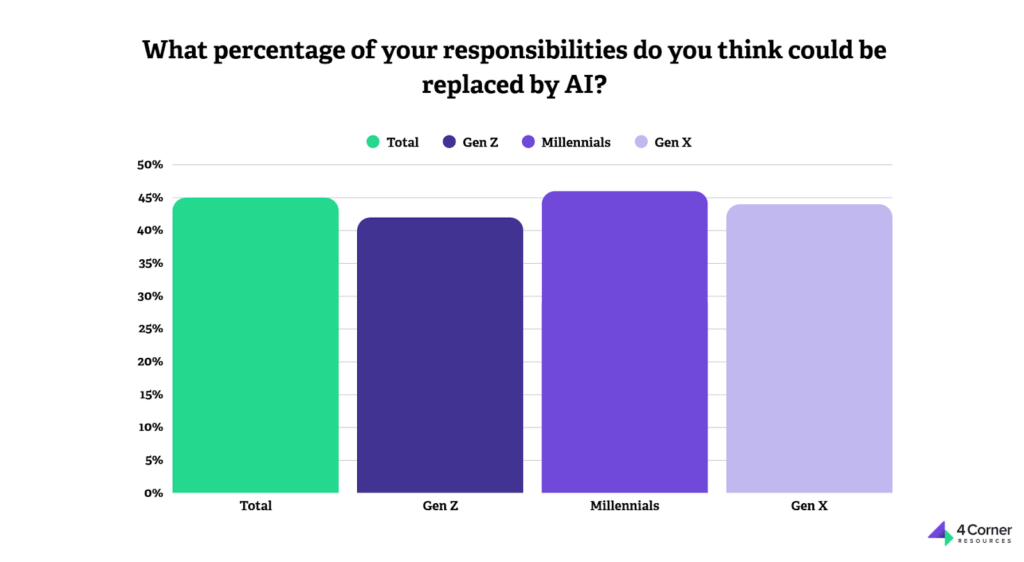
As AI takes over basic tasks, companies want to better understand how candidates think without digital support. More employers are using “AI-free” assessments during the hiring process to evaluate real problem-solving, judgment, and communication skills.
What job seekers should take away: Being comfortable using AI is now part of being competitive, but strong human skills still matter. Clear reasoning, creativity, and real-time decision-making will remain essential in a job market where technology is increasingly handling routine work.
#2 Skills-Based Hiring Is Replacing Degree Requirements
The traditional bachelor’s degree is no longer the automatic entry point into many professional jobs. In 2026, employers are placing more weight on practical skills, hands-on experience, and job-ready training than on where someone went to school. AI is part of this shift. Many of the tasks that once helped new graduates learn on the job are now automated, which means companies need candidates who can contribute immediately rather than spend months ramping up.
Why degrees are carrying less weight
Skilled trades and hands-on careers are growing rapidly as demand rises for roles in construction, renewable energy, technical maintenance, and data centers. These paths offer strong job stability and competitive pay without the cost or time commitment of a four-year degree. With more students choosing vocational programs, these careers have become increasingly appealing for people seeking a faster, more predictable return on their training.
To support this shift, many employers have removed degree requirements from job postings. Instead of focusing on academic credentials, they’re using certifications, short training programs, skills assessments, and real project experience to evaluate whether someone is prepared for the job.
What job seekers should take away: You have more options than ever to qualify for well-paid work. Building skills through certifications, hands-on learning, or portfolio projects can carry as much weight as a traditional degree, and often help you stand out more.
#3 Remote Work Is Stabilizing (But Not Disappearing)
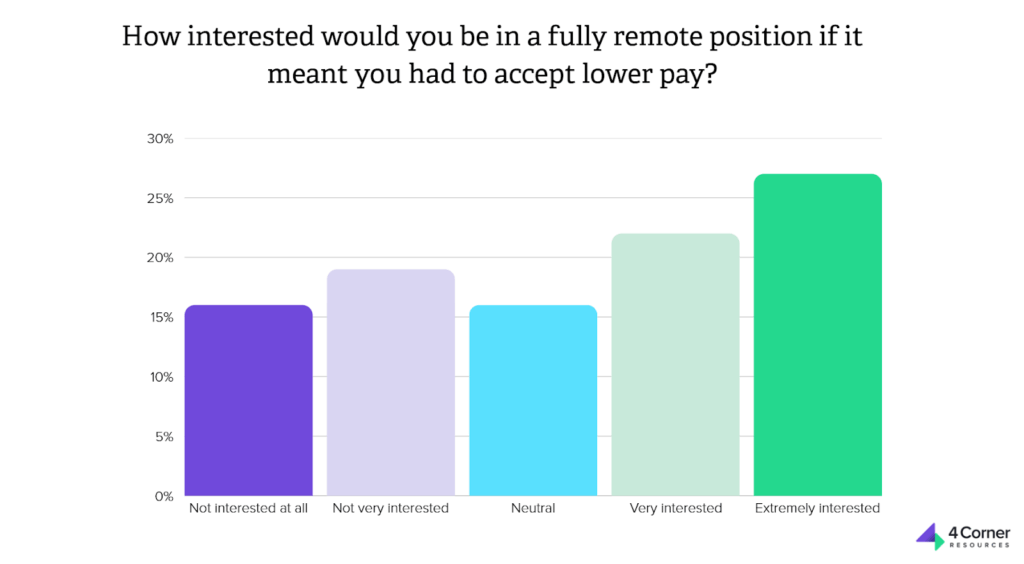
Remote work isn’t disappearing in 2026, but it’s no longer expanding at the pace it once did. Most companies are settling into predictable hybrid setups while encouraging employees to spend more time in the office. At the same time, many workers still see remote work as a priority. Our Employee Mindset Survey shows that nearly half would consider lower pay if it meant working fully from home. Yet a large share of employees remain fully in person, even though far fewer actually prefer it.
The shift toward quiet return-to-office pressure
Instead of strict mandates, employers are using softer signals to draw people back. Workers who come in more often tend to gain more visibility, receive stronger performance feedback, and move more quickly into leadership opportunities. Remote employees still value flexibility, but it can come with slower long-term growth if they’re less connected to day-to-day operations.
What job seekers should take away: Remote work remains available, but competition is higher. Expect hybrid schedules to be the most common offering, and consider how occasional in-office presence may support your long-term development.
#4 Wage Growth Is Leveling Off, But Pay Transparency Is Increasing
Salary growth has slowed heading into 2026. After several years of rapid increases, most companies are keeping raise budgets modest, and workers are feeling the shift. Many still believe their pay aligns with the local market, but raises don’t stretch as far as they used to.
The new reality of transparent pay
More states are passing pay transparency laws, which are pushing employers to share salary ranges, outline pay scales for internal moves, and maintain documented wage histories. Even companies not directly covered by these laws are adopting similar standards to stay consistent across locations. This is giving job seekers clearer insight into pay expectations before they apply.
A new challenge, however, is pay compression. With budgets tight, new hires are sometimes brought in at salaries close to (or higher than) those of long-tenured employees. This can create tension internally and make workers more aware of how their compensation compares to current market rates.
What job seekers should take away: Transparency is a major advantage. Use posted salary ranges to compare opportunities, ask how compensation decisions are made, and consider growth potential alongside starting pay when evaluating a role.
#5 Demand Is Surging for Healthcare, Skilled Trades, and AI-Adjacent Roles
Some parts of the job market are growing quickly in 2026, especially roles tied to hands-on work and technical support. These areas are difficult to automate and essential to the country’s infrastructure, making them strong options for job seekers exploring long-term paths.
Where job growth is happening
Skilled trades continue to expand as fewer workers enter these fields while demand rises. Jobs connected to construction, renewable energy, and data centers, especially those needed to power and cool AI systems, offer strong earning potential without requiring a four-year degree.
Healthcare support roles are also growing as the population ages, and patient needs increase. These positions provide consistent demand and clear career paths, with opportunities in both patient-facing care and behind-the-scenes operations.
AI-adjacent technical work is another key growth area. Roles in data center operations, specialized manufacturing, and equipment maintenance are multiplying as more organizations rely on AI tools. These jobs are hands-on and essential, making them difficult to automate.
What job seekers should take away: Fields that involve physical work, direct care, or technical support offer reliable career potential. They often come with shorter training programs, competitive pay, and strong long-term stability.
#6 Employers Want Soft Skills More Than Ever
AI is taking over more routine tasks, which means companies are focusing heavily on the skills technology can’t replace. These “soft skills,” often called power skills, show how someone communicates, handles challenges, and makes decisions, qualities that matter even more as AI becomes part of daily work.
The human skills employers value most
AI can organize information and draft content quickly, but it can’t understand emotion, navigate conflict, or make judgment calls in unclear situations. Because of this, employers are paying closer attention to skills like:
- Communication
- Problem-solving
- Teamwork
- Adaptability
- Leadership
- Emotional intelligence
These strengths help teams operate smoothly and give employers confidence that someone can handle real-world challenges, not just technical tasks.
Hiring processes are shifting to reflect this. Instead of predictable interview questions, companies are using scenario-based prompts, conflict role-plays, and ethical decision-making questions to understand how candidates think in real time. Many final interviews are kept “AI-free” so employers can see a candidate’s genuine responses without scripted help.
What job seekers should take away: Your human skills are a major advantage. Highlight clear examples of when you resolved a conflict, communicated effectively, or solved a problem. These stories show employers what AI can’t: how you think, react, and collaborate.
Related: The Top Soft Skills for Success
#7 Application Volumes Are Up, But Hiring Pipelines Are Shorter
Companies are receiving more job applications in 2026, but they’re also moving candidates through the hiring process faster. This creates a job market where applicants face heavier competition and shorter timelines to stand out.
Why applications are rising
Several factors are pushing numbers up:
- AI tools make it easy for candidates to apply to many jobs quickly.
- Workers unsure about the economy are applying more as a safety net.
- Limited job openings in some fields mean more people cluster around the same postings.
Higher volume doesn’t always mean stronger competition, but it does mean your resume needs to grab attention right away.
Hiring timelines are speeding up, too. Companies want to move quickly so they don’t lose strong candidates and can keep projects on track. Many are reducing steps in the interview process and using more automation in early screenings.
What job seekers should take away: Shorter hiring cycles mean you have less time to make an impression. Tailor your resume, apply early, and respond quickly when contacted. Fast, thoughtful communication can set you apart when employers are making decisions quickly.
#8 Career Switching Is Becoming More Common in 2026
More people are rethinking their long-term career paths in 2026. Some are shifting because their current fields are shrinking, while others are exploring new opportunities in growing areas such as healthcare support, skilled trades, or roles tied to AI infrastructure. Changing careers feels less like a major leap and more like a practical adjustment to a quickly evolving job market.
Where workers are looking next
Many career changers are moving into jobs that offer clearer stability and growth, such as IT support, healthcare assistance, project coordination, or technical maintenance. These paths often require shorter training programs and provide steady demand, making them appealing to anyone looking for a reliable next step without years of schooling.
What job seekers should take away: Switching careers is becoming normal, and often strategic. If you’re considering a change, look for paths that match your strengths, explore certifications or short courses, and research industries with strong future growth. Small steps can help you build confidence and open new doors.
Related: Chasing Your Passion: Tips for Switching Careers
#9 Contract, Gig, and Fractional Work Continue Expanding
Contract, gig, and fractional work are becoming increasingly common in 2026 as companies seek flexibility and job seekers explore alternatives to traditional full-time roles. Many organizations prefer project-based support while they manage budgets and shifting workloads, and workers value the freedom and variety these arrangements can offer.
Where flexible work is growing
More contract and fractional opportunities are appearing in:
- Marketing and creative services
- IT and technical support
- Project management
- Operations and logistics
- Healthcare support
- Administrative services
Some companies are even hiring fractional leaders, such as part-time CFOs or HR specialists, to access expertise without committing to a full-time salary.
Flexible work often comes with appealing advantages, including:
- Higher pay per hour or project
- The chance to build diverse experience
- Faster entry into new fields
- More control over your schedule
But there are trade-offs, such as:
- Limited benefits
- Variable income
- No guaranteed hours
- Less long-term stability
What job seekers should take away: Flexible work is now a mainstream option. If you want more control over your time or want to test new fields, contract or gig roles can open doors. Just be sure to review expectations, pay structure, and project length before accepting an opportunity.
Related: Is Freelancing Worth It? The Pros and Cons
#10 Layoffs Are Becoming More Targeted, Not Widespread
Large, company-wide layoffs aren’t as common in 2026. Instead, many employers are making smaller, targeted cuts throughout the year. These “micro-layoffs” often involve fewer than 50 employees at a time, allowing companies to adjust teams more quietly and avoid major legal requirements or public announcements. It’s a way for organizations to stay flexible as technology changes job responsibilities and budget priorities.
How workers are feeling in this environment
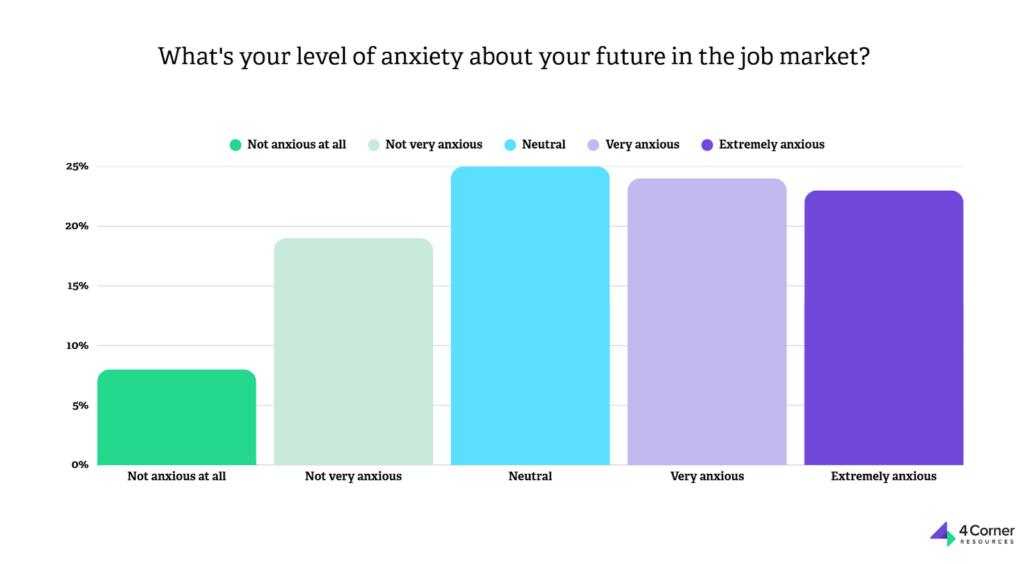
This new approach creates a mix of security and uncertainty for workers. According to our Employee Mindset Survey, many people feel confident in their day-to-day role but uneasy about the future. Even if a job feels stable today, employees are aware that shifts in performance, AI adoption, or team restructuring could impact their position later on.
What job seekers should take away: Targeted layoffs don’t mean the job market is collapsing, but they do highlight the importance of staying ready for change. Keeping your skills current, watching trends in your industry, and staying connected with your network can help you navigate uncertainty and feel more prepared for what’s ahead.
Related: I Just Got Laid Off. Now What?
#11 Retention Anxiety Is Reshaping Employee Behavior
Workers are holding onto their jobs longer in 2026, not because they’re all fully satisfied, but because many feel uncertain about what comes next. Concerns about AI, economic conditions, and shifting job responsibilities are making people more cautious about making a change, even when they’d normally feel ready for a new opportunity.
The rise of job-hugging
This cautious mindset is often called “job hugging.” Instead of actively exploring new roles, workers are choosing stability as a way to avoid risk in an unpredictable market. Our survey shows this clearly: many employees feel secure in their current job today but are still anxious about their long-term prospects. That mix leads people to stay put longer than they might have in more stable years.
Limited movement in the job market creates fewer openings overall, which makes it harder for recent graduates, early-career professionals, and career switchers to find opportunities. Some entry-level roles now require several years of experience because the tasks that once helped new hires learn are increasingly automated or handled by AI-driven tools.
What job seekers should take away: When mobility is limited, staying proactive becomes more important. Building new skills, exploring potential career paths, and keeping an eye on emerging openings can help you stay competitive and ready to move when the right opportunity comes along.
What These Job Market Trends Mean for Job Seekers in 2026
Understanding the shifts happening across today’s workplace can make the job search feel less overwhelming. The trends shaping 2026 point to a job market that rewards flexibility, real-world skills, and thoughtful career planning. Below are the key takeaways to help you navigate what’s ahead.
- Adaptability is becoming a major advantage. AI is reshaping daily work, but it’s not replacing the human qualities employers value most. Staying open to new tools, learning how to work alongside technology, and showing you can adjust in a changing environment will help you stand out.
- Human skills carry more weight. Strong communication, problem-solving, teamwork, and emotional intelligence continue to separate candidates in crowded applicant pools. These skills show employers how you think and collaborate, areas where AI can’t step in.
- Skills-based hiring creates more pathways. Degree requirements are becoming less rigid. Practical ability matters more, making certifications, short courses, and hands-on experience powerful ways to qualify for opportunities without needing a four-year degree.
- Career switching is becoming more common and often strategic. More people are moving toward roles with clearer growth and stability. Industries like healthcare, skilled trades, technical support, and operations offer steady demand and straightforward entry points for job seekers exploring new directions.
- Flexible work is now a real option. Contract, gig, and project-based roles can help you build skills quickly, explore new fields, and earn income while staying adaptable. These paths offer freedom, but it’s important to balance that flexibility with the need for consistent work and benefits.
- Competition is rising, so timing matters. Higher application numbers mean it’s essential to tailor your resume, apply early, and respond quickly when contacted. A fast, thoughtful approach helps you stand out when employers move through pipelines quickly.
- Staying proactive supports long-term growth. Keeping your skills fresh, watching industry trends, and exploring new opportunities (even when you’re not actively job searching) gives you a stronger sense of control in a changing job market.
How to Prepare Your Job Search for 2026 and Beyond
The job market may feel different in 2026, but it’s far from discouraging. Understanding these job market trends gives you a clearer view of what employers are prioritizing and where new opportunities are emerging. Staying flexible, building the right skills, and paying attention to where industries are heading can make your job search more focused and less overwhelming.
If you’re ready to take the next step, explore our open jobs or career advice library. Additionally, we offer resources for job seekers, such as our salary data tool, career guides, and interview questions and answers generator. The right information can help you approach your search with confidence and make decisions that support your long-term goals.