
Breaking Job News: ADP Shows Hiring Collapse, AI Skills Surge, & Washington Post Cuts 300 Jobs
Sign Up For Daily Job Market News
Episode Overview
Next, Pete digs into Upwork’s 2026 in-demand skills report. Despite fears that AI is eliminating work, demand for AI-related skills on the platform jumped 109% year over year. Roles like AI video editing, AI integration, and data labeling are exploding in demand, suggesting AI isn’t replacing work yet; it’s being layered into it. He explains why workers who embrace these tools are gaining an edge while others risk falling behind.
Additional Resources
- ADP National Employment Report
- Upwork’s In-Demand Skills for 2026
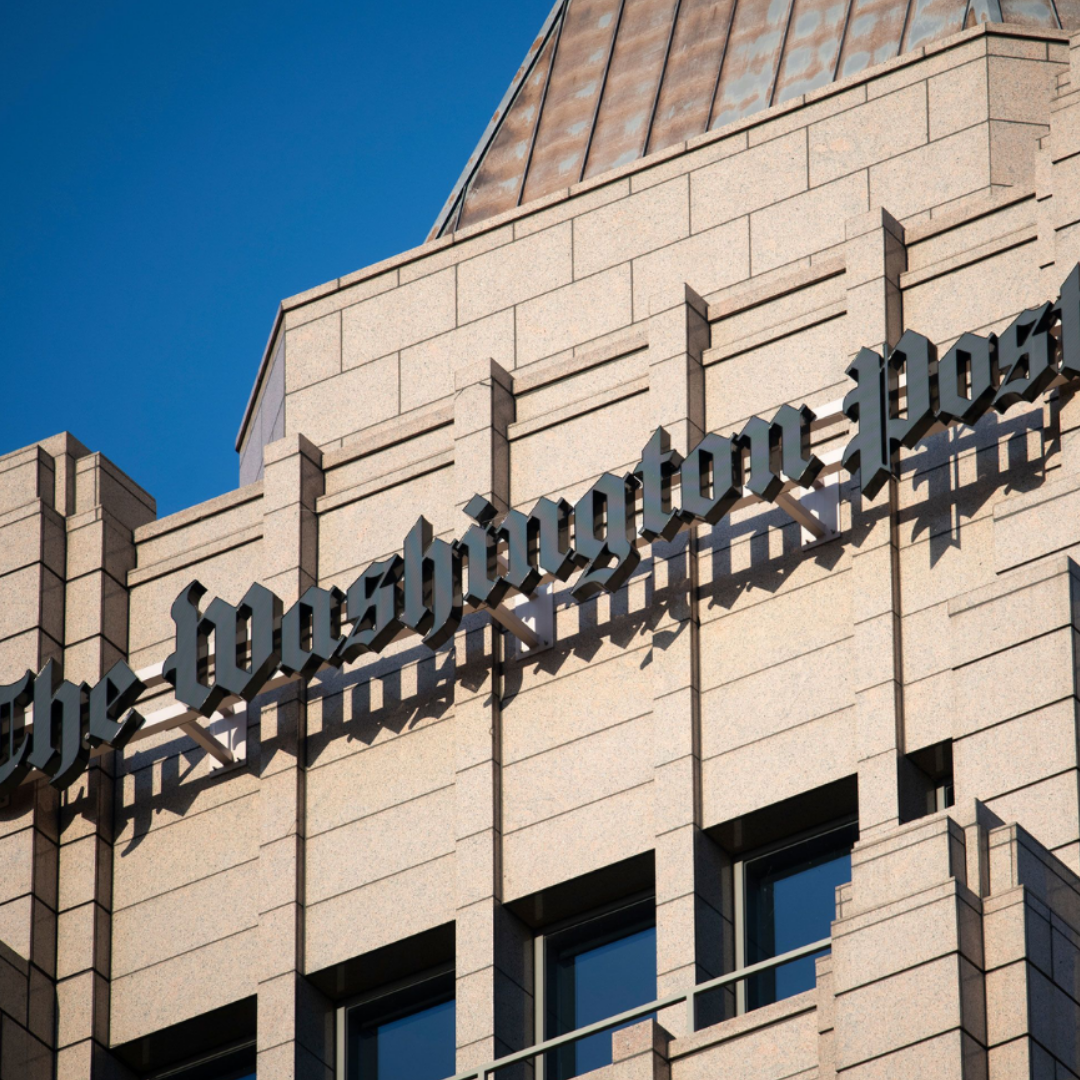
- The Washington Post Journalist Layoffs
Transcript
Pete Newsome: 0:00
Welcome to Cornering the Job Market for Wednesday, February 4th. I’m Pete Newsome, and today’s headlines gives us a new jobs report. Now, not the government one because, well, we’re not getting that this week due to the shutdown. But the ADP jobs report just came out, and well, it’s it’s not great. I’ll get to more of that in a second. Also, Upwork released their in-demand skills 2026 report. And it has some interesting data that surprised me, quite frankly. And I never know what to expect with these reports lately. It seems like one minute I have a handle on how they’re going to come out, and the next it is something entirely different. So it surprised me, it may surprise you too. And then finally, we have a story about a newspaper, the Washington Post. They just made a big announcement today. Um, not a good one either, not for the employees of the Washington Post anyway.
0:53
So I’ll talk about that too. But the big headline, of course, is the ADP jobs report. And the number is not a good one. 22,000. 22,000 jobs. You heard me right. That is what private employers added in January, according to ADP. And we need well over a hundred thousand jobs a month to keep pace with population growth, right? So this is this is a bad thing. This is a labor market running on fumes right now. Now, if you’re not familiar with ADP’s report, it draws on anonymized payroll data from more than 26 million private sector workers. So this is a this is a large report, and many people, present company included, trust it more than the BLS data in many cases. So I don’t really mind that we didn’t get the government data. It is interesting to have the different points to compare, of course. I don’t like just one data point, but again, all we have right now is ADP. They referred to it as a lackluster hiring month. I think that’s a that’s a fair word. That’s probably not as strong as it could be, but I’m not gonna use language that is coming to mind right now while I’m recording. But um, look, there were some bright spots. The one that we continue to see is healthcare. Education and health services is how it’s phrased. They lump those in together. I don’t know why. I always scratch my head when I say that. Uh, but that has carried the entire report for all intents and purposes, because without them, we would have lost jobs uh in the private sector.
2:21
And listen, when we’re getting all the jobs from one area, that’s that’s just a bad sign, too. Uh professional and business services lost the most. So we see a lot about white-collar jobs being impacted by AI, despite a lot of headlines saying that’s not happening. But those are the jobs that are going to be hit first. Uh, but manufacturing also took a hit. So it’s hard to say what’s really causing all of it. Now, we also have the tariffs, we have just general, well, just a general slump that we seem to be in. And what disappoints me in this report more than anything is I was really counting on a pickup in January. So there is an underlying current right now that’s not good. Um, we got white collar pulling back, blue collar pulling back simultaneously. Large employers cut the most positions, 18,000 jobs were cut. Um, so yeah, it’s bad all around. Regionally, the Midwest added 25,000, but South Atlantic, this South Atlantic got hit with a 76,000 job loss.
3:25
So that is massive. So hiring seems to be very uneven geographically right now, but we’ll see if that becomes a trend. Now, the report also talks about pay increases year over year for job stayers and job changers. Job stayers, people who didn’t leave, are uh at a pace of a 4.5% increase, and job changers, usually significantly more, are still higher at 6.4%, but that was down from 6.6%. So that’s heading in the wrong direction, which tells us there’s not as much of a reward for hopping jobs as there historically has been. So also worth keeping an eye on. Uh, ADP’s chief economist, she always puts quotes in these. She said job creation took a step back in 2025 with private employers adding 398,000 jobs, which was down from 771,000 in 2024. While we’ve seen a continuous and dramatic slowdown in job creation for the past three years, wage growth has remained stable. Well, you know, it’s great that people aren’t making less money, although when you compare to inflation, that 4.5% doesn’t really look appealing. I would say that’s flat too. So look, the administration puts out lots of headlines about how well things are going. But private employers and their employees, which is what we’re really talking about here, they’re not seeing it. So we’ve seen hiring that hasn’t altogether stopped. It’s not working uh going backwards, but it may as well have, right? I mean, this is we’re just stuck in neutral right now. Things aren’t good. Let’s see if we can find some better news in Upworks 2026 in-demand skills report. So if you’ve been reading headlines or listening to me, you know that a lot of people believe AI is going to wipe out millions of jobs.
5:14
Now, I am solidly in that camp, but Upworks data indicates that that hasn’t happened yet. Now, before I get into that, I will say, as I always do, we shouldn’t be focused on what has already happened or what is happening in this moment. We need to be focused on where things are headed. But I won’t get on that soapbox right this minute because this report tells us that AI hasn’t really eliminated a lot of work yet. It’s just kind of changing it. Um, so I think that’s worth noting. We’ll check back on that six months from now, a year from now, see if it’s changed. But this is based on freelancer data too. That’s what Upwork is, if you’re not familiar with them. They’re a freelancer site, so it’s a unique category of workers, to say the least. But it is real data, and what they’re showing is that AI skills on their site, the demand for AI skills grew 109% year over year versus 23% for non-AI skills. So look, so everyone’s using AI, but there’s no benefit to it. I mean, is that the what we’re supposed to assume? Okay, I said no no soapbox today. I won’t do it, I’ll save it for once. Um, but here are some of the jobs that uh demand that, or skill demand rather, that’s really increased. AI video generation and editing, 329% increase. I could use that uh for sure.
6:35
AI integration, 178% increase. Um, and that goes on. Data annotation and labeling, that’s of course um associated with all this as well, 15454% growth, and then it kind of goes on from there. So it’s all about AI. And the takeaway from this is at least on the Upwork site, AI isn’t replacing these creative or technical roles yet. It’s come it’s it’s being added to them. And now, look, I just over the past couple days, I used Claude to build an entire WordPress page that is beautiful, it’s perfect. It was a lot of data, it built charts, it built graphs, and all I had to do was copy and paste the code into WordPress. No designer, no developer. So no one’s gonna convince me that the tools aren’t there. The question is, how many people are using them? How many companies are using them? There’s still a lot of fear and uncertainty around AI, that is for sure. Um, there should be fear about where it’s heading, but to not use the tools just because they’re unfamiliar or you seem to think they’re scary for some reason, you’re not gonna help yourself over time because those who are using them are definitely getting ahead. And I can speak from very first hand experience with that. So learn AI, embrace it, right? 77% of business leaders uh quoted in this report say AI is increasing their need uh for specialized talent in that area, either fractional or full-time. So if you’re an employer, take advantage of using the tools.
8:13
If you’re an employee, you better make sure you’re using it. Use it to elevate whatever it is you do. That is a line that I repeat often, and I’m gonna keep saying it, and hopefully that will sink it if you’re hearing me for the first time. So this is this is what’s happening right now. It’s it’s a trajectory of things, and this trajectory is moving at a faster pace than anything we’ve experienced in the history of technology. So that’s where we are right now. Um, if you’re listening, get your AI hat on and start using it. Now, we know what’s happening with the jobs, we know what’s happening with skills. What is happening at the Washington Post? Nothing good. They laid off 300 journalists today. Uh, that is roughly a third of their workforce. Jeff Bezos, what are you doing since taking over? Now, a lot of people don’t love the Washington Post. I’m kind of neutral. I get some stories from there every once in a while.
9:07
I know they have their own political ideology that they like to be slanted towards, but um, I think the newspaper business is dying, right? I mean, I think that’s the reality we have to face. I mean, who still looks forward to their paper being delivered? That was my morning for years. That’s how I started my day, as did almost everyone. And now it’s all digital. But citizen journalists, sort of citizen journalism has taken over. That’s become so prevalent, and there are so many options right now. So you have this sort of old staple of the Washington Post that’s just probably hasn’t evolved to keep up with the fast pace and the agility and flexibility that anyone can really have. You can you can create a news outlet almost overnight. So that’s why it’s happening, I think. But it is unfortunate to see for the individuals, but listen, they they’ll have opportunities to be entrepreneurs in a way. I mean, that’s something else that that’s a benefit, right? So we have these old institutions that don’t exist anymore. But for those who have an entrepreneurial mindset in any way, it creates new opportunities. And I’ll just say they could probably make a lot more money. Um so that is an upside. But what they laid off was um the sports section is closed. Who’s going to the Washington Post for sports anyway? Uh their book section is closing, their daily news podcast is um that’s been discontinued, so you can listen to me instead. That’s what I would highly recommend. Uh, their Metro Desk is shrinking, their international coverage has scaled back. They laid off reporters uh in different parts of the world, like the Middle East and Australia. Um and so, yeah, it’s a bad day over there. I don’t need mean to make light of it at all. But come on, I mean, we’ve seen where this is heading.
10:56
The writing has been on the wall with newspapers for a while. So hopefully uh everyone who is impact is being impacted by this, hopefully they’re back up on their feet real quick. And um, you know, certainly sorry they’re going through it, but I’ll be optimistic and think there’s something good for them right on the other side because we still have as much demand for news. That doesn’t go away. It’s just being just being shared differently now, right? So that is those are our headlines for today. And you know what? I have to say, I do not have my fun fact in front of me, as I commit to do every day. So I’m gonna find it for you anyway. I’m just gonna ramble until I do, and uh then I will I will give it to you. But I don’t, I don’t, I I had it, I lost it. This is not what I’m supposed to be doing. But here we go anyway. Napping for 20 minutes is more effective than a caffeine boost for late afternoon focus. Napping for 20 minutes. It makes me think of George Costanza napping under his desk. That sounds nice, right? I don’t know if it’s the same as caffeine. I I guess I feel better after a nap, but you can also feel a lot worse when you take one that’s too long. So I’m not gonna I’m not gonna bore you with that anymore. My thoughts on napping, but that is a a fun fact. So if you want to use that as an excuse for your boss, say, hey boss, it’s better than caffeine, so I just need to take my mid afternoon nap. So see if you can pull that off. Thanks for listening. Please like, subscribe, share with anyone who might be interested in listen, you need a home now that the Daily Washington Post podcast is gone. So you you found it here. I look forward to talking to you tomorrow.