
Amazon & UPS Cut Jobs as Skills-First Hiring and Engagement Shift
Sign Up For Daily Job Market News
Episode Overview
He starts with Amazon’s confirmation of roughly 16,000 corporate job cuts, completing a broader plan totaling nearly 30,000 corporate reductions since October, the largest in company history, as leadership pushes to reduce layers, increase ownership, and accelerate automation and AI. Pete explains which parts of the business are affected, why Amazon is doubling down on AI despite growing skepticism, and what these moves signal for corporate roles more broadly.
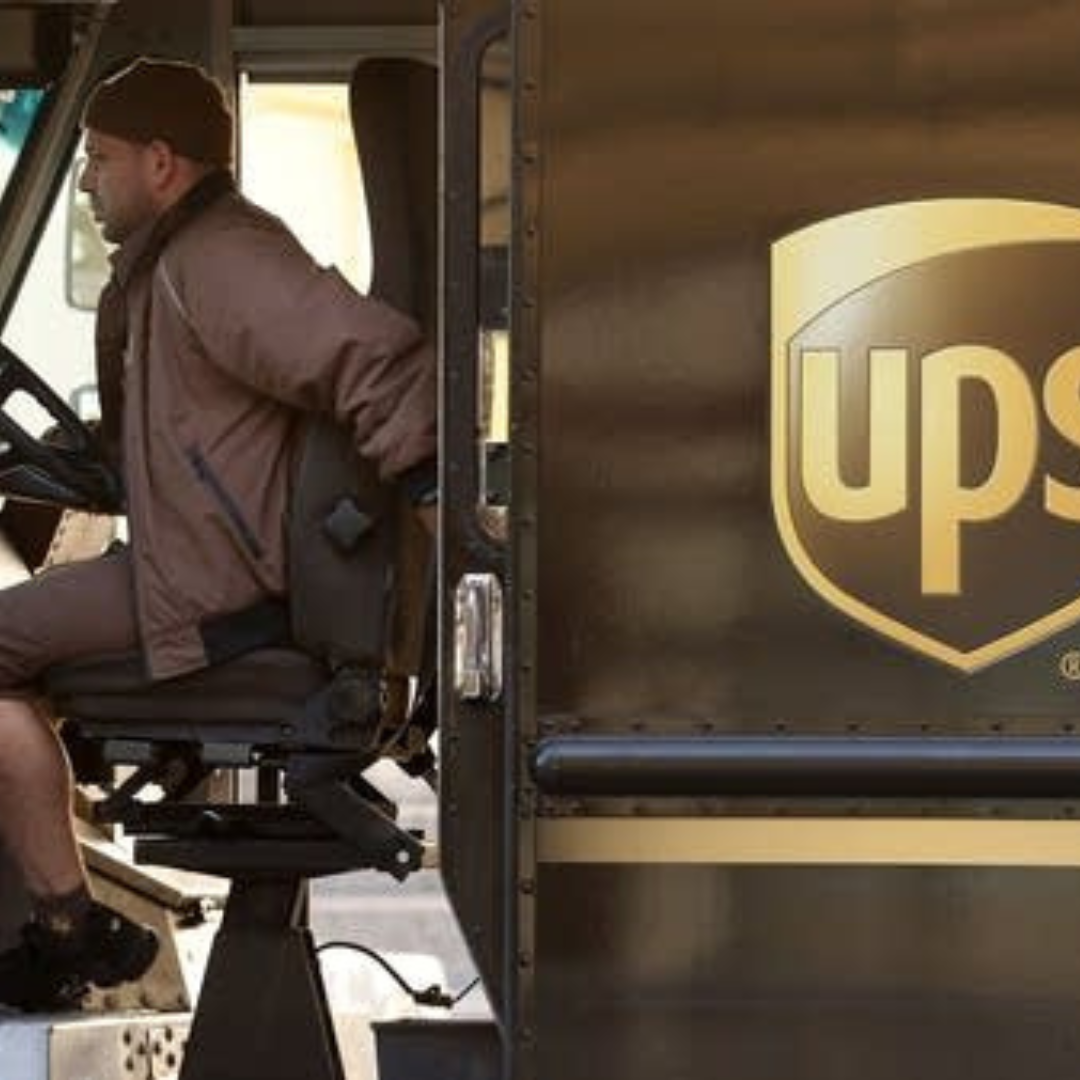
Next, Pete looks at UPS’s plan to eliminate up to 30,000 positions and close dozens of facilities as it deliberately scales back lower-margin Amazon delivery volume. Unlike Amazon, UPS is emphasizing attrition and buyouts over direct layoffs, highlighting how strategy, unionization, and profitability shape workforce decisions differently, even during cuts.
The episode then shifts to hiring trends from Indeed Hiring Lab, which show that college degrees still matter more than many expect, though requirements vary sharply by geography. Pete unpacks what “skills-first hiring” actually looks like in practice and why degree requirements may be quietly creeping back up.
Additional Resources
- Amazon Axes 16,000 Jobs
- UPS to Eliminate 30,000 More Jobs
- U.S. Employee Engagement Declines From 2020 Peak
- Where College Degrees Still Matter in a “Skills-First” Market
Transcript
Pete Newsome: 0:00
Welcome to Cornering the Job Market for Wednesday, January 28th. I’m Pete Newsome, and today’s headlines include layoffs at Amazon, job cuts at UPS, what Skills First Hiring really looks like in practice, and what Gallup is seeing in employee engagement, especially for younger workers. Let’s start with Amazon. They just confirmed 16,000 corporate cuts, and that completes a plan for around 30,000 total that started in October. And unfortunately, they left open the possibility of additional reductions. Amazon’s total workforce is about 1.58 million, but most of those employees are in warehouse and fulfillment jobs. This is all about the corporate side. And that 30,000, it represents about 10% of their overall corporate workforce. And these are the largest cuts in the company’s history, surpassing 27,000 that were cut a few years ago. Just monster numbers, right? Not a safe place to be to work in corporate at Amazon over the past five years, that is for sure. Amazon HR executive Beth Galletti said the cuts are meant to strengthen the company by reducing layers, increasing ownership, and removing bureaucracy. I find that interesting because that is about as bureaucratic of a statement as you could possibly ask for. I wonder if she’s staying through this. Probably.
1:26
Now, Amazon also said it’s closing its remaining physical fresh grocery stores. I’ve never seen one of those, but am I the only one that every time you order something on Amazon, it suggests groceries for you to buy? I don’t get it. And the image that I see, with that exception, and this has been happening for probably two or three years now, always includes a banana. I have never ordered fruit or fresh food from Amazon, have no intention of doing that anytime soon, but man, are they always pushing bananas? Anyway, they’re also dropping Amazon One, which is a palm scanning payment system. So it looks like they’re really focusing on their core business that makes them money. Now, Amazon employees across areas like AWS, Alexa, Prime Video, devices, advertising, last mile delivery are all potentially impacted by this. And what made a bad situation worse was an email that went out that references the layoff plan as quote Project Dawn. And so that, needless to say, did not make Amazon employees happy. Sounds like the way it was discussed just wasn’t pleasant at all. So Project Dawn, not a good way to handle at Amazon. But listen, this organization is all about automation, and they’re saying that they want to continue to focus in that area, and that’s one of the reasons why this cut is happening. We’re hearing that AI is overblown, that it’s not really working, but yet here’s the biggest, most powerful company saying that they’re focusing on AI. So if they’re doing it, I guarantee you it’s for good reason, right? This is a company that has a very long habit in history of succeeding.
3:14
So that’s a direction they’re going in. Amazon, AI, and automation for sure. So good luck to everyone who’s being affected by those cuts. And unfortunately, UPS also said that it will eliminate up to 30,000 jobs and close 24 facilities in 2026 as it continues reducing delivery volume for Amazon. So they’ve made a decision that they’re going in a different direction. They want to shift towards more profitable business. Their plan is to reduce Amazon deliveries by a million pieces a day while reconfiguring its network. Talk about volume. That is huge. But UPS isn’t just shrinking, it’s intentionally walking away from this volume that drags down their margins, even when it’s coming from its biggest customer. So that just makes sense. I mean, it sounds like good business. Unfortunately, a lot of individuals are going to be impacted by this, but if it’s business that’s not profitable, you can’t really blame the company for making those decisions either. UPS already cut heavily in 2025 by getting rid of 48,000 jobs, including driver buyouts, they closed operations buildings, I think 93 buildings. It sounded like they were all dedicated to Amazon. So this is just massive, massive business taking place between these two companies.
4:34
For 2026, UPS says the reductions will come through attrition and driver buyouts. They’re not planning layoffs per se. So different than the layoffs at Amazon, this is just an announcement of cuts. So that’s an important distinction. Their CFO Brian Dyke said that definitively layoffs are not planned. It’s also probably relevant that UPS has a unionized workforce, and the company expects many cuts will come from just not filling roles as part-time employees leave. So not a fun time to be at Amazon, not a great time to be at UPS either. But despite the cuts, UPS reported a strong quarter, and they have a forecast for 2026 of 89.7 billion in revenue, which is above the analysts’ expectations. So this is just the way business works, right? It’s unpleasant as an employee. It is very difficult, especially when so many jobs are being lost all at the same time. But it’s harsh, especially when you just have these massive numbers. I mean, they’re hard for me to fathom. I worked for a 16,000 employee uh business at one time, and that seemed massive, but UPS and Amazon are just on an entirely different scale. So good luck to everyone from UPS too. Switching gears completely. Indeed, Hiring Lab just put out some new information. And the headline of this is effectively this degrees still matter, but it depends on where you live. And this is all about skills first hiring. It’s a subject that I talk about a lot, I think about a lot, the value of a college degree isn’t what it used to be. We know that.
6:14
But here’s what they found that 19.3% of U.S. job postings required a bachelor degree or higher in November 2025. That’s up from 16% in November 2023, but it’s below pre-COVID levels. And while 51% of postings list no formal education requirement, bachelor’s degrees requirements do remain common. So I’m surprised to see it trending up. I really am. Now it it’s it is relevant that it’s down from the numbers in normal times, right? Because everything’s been not been normal since COVID, at least, in my opinion. We just can’t seem to get to a time of stability. But I am surprised to see it trending up from a couple of years ago. That’s just inconsistent with what I’ve seen everywhere else. But indeed has the data, right? They’re they’re up there with LinkedIn right now is really the top two job boards, or really not a close third at this point. And so they have the numbers and there’s no reason to fabricate them. What this report also shows is that there’s a big difference when you compare geographies, where an area like Washington, D.C. has a really high degree requirement, but an area like Mississippi, well, Mississippi specifically, has a low degree requirement. So uh it’s a lot of data in this report. You can check it out if you’re interested. Uh, we’ll link it. But um a surprising trend to me. That’s that’s it.
7:47
My that’s my takeaway from this is uh depending on where you live, it can be very different. But college degrees do still matter. Uh, I will say, even though I’m sticking with my take on this, that they do matter less, and that will continue as time goes on. The final story today is from Gallup and a report that they published titled U.S. Employment Engagement Declines from 2020 Peak. Younger workers are experiencing the biggest drops in engagement. The headline basically from this is that employees who are actively engaged at work averaged 31% in 2025, but that’s down from 36% in 2020. So just haven’t recovered from there. And the biggest drops are from the younger workers. From 20 to 25, here’s how the numbers change. Gen Z and millennials are down eight points. Older millennials are down nine points. Gen X, my generation, down six points, and baby boomers didn’t change. So the younger you are, the less engaged you’ve become over the last five years. I think there’s a lot of reasons for that. I think older workers have lower expectations, right? We we view work differently, and baby boomers work view work differently than my generation, a Gen X. And younger people have higher expectations uh for their employee-employer relationship. That’s a change that I’ve seen take place over the past 15 years now. And I think it’s subsiding a little bit. I mean, I if I had to predict, I would say that Gen Z and later, they their expectations will not be as high.
9:30
The job market is changing so much. And there was a time a couple of years ago where it was the most extreme employee market that I’ve ever experienced. And the reality is I don’t think that’s coming back. And those workers who had employers falling all over themselves to recruit them, to hire them, to retain them, it was it was the Wild West. And I really think that that tainted them, right? That’s why you see so many workers now who insist on working remotely. That wasn’t a thing before, right? It was never a thing. And I just think it created a difficult set of expectations for the future. And again, older workers, we went home, we realized, hey, that was an anomaly, we went back to work. And as a percentage of our career, it wasn’t significant. But for younger people, especially Gen Z, and and like this report says, younger millennials, they got spoiled through through that time. And then they expected that to be the new normal. So, anyway, that is going off topic, but that’s what I believe about this. I think it’s happening. I think it’s it’s it’s an unfortunate thing because as this employer market continues, as AI becomes more prevalent and makes the job market tighten, the younger workers are gonna have to shift their expectations, and it’s gonna be a difficult thing to do. So that is it for today. I will wrap up there.
11:09
But here’s a fun fact before we go burnout, that’s appropriate to end on, isn’t it? It was first coined as a psychological term in 1974 by Herbert Freudenberger. Burnout. So if you experience burnout, well, thank Herbert for put putting a name on it. But um, yeah, that’s probably an appropriate way to way to finish given the difficult time that uh a lot of younger workers are having in the job market right now of being engaged. So listen, you got a long road ahead of you, young folks. So you gotta suck it up at some level. So that is uh where we will actually close today, and I’ll say goodbye. So thanks for listening. Please like and subscribe, and uh look forward to talking to you tomorrow.