
Hiring Is Losing Momentum & Robinhood Just Cut 10% While Business Has “Never Been Stronger”
Sign Up For Daily Job Market News
The slide is consistent: 40,750 at the start of May, then 35,750, then 30,500, then 29,000, and now 25,500. In a month, the weekly pace dropped by roughly 15,000 jobs. These are preliminary figures, seasonally adjusted, produced by ADP Research in collaboration with the Stanford Digital Economy Lab, with a two-week lag built in. They’ll be revised when the next release drops on June 23. But four consecutive weekly declines in the same direction is a trend, not noise.
25,500 jobs a week is still positive, meaning the private sector is still adding people. Positive but slowing. When the weekly pace slides this consistently, it shows up in how employers behave before it shows up in a headline jobs report. Reqs sit open longer. Backfills get questioned. “Let’s wait a quarter” creeps into more conversations. For job seekers, that translates to longer searches and tighter competition. For employers with roles to fill: the people worth hiring are still moving, and the window for getting them before the competition closes faster than the data suggests.
Robinhood Cut 10% of Its Staff Today. The Business Is at Record Highs.
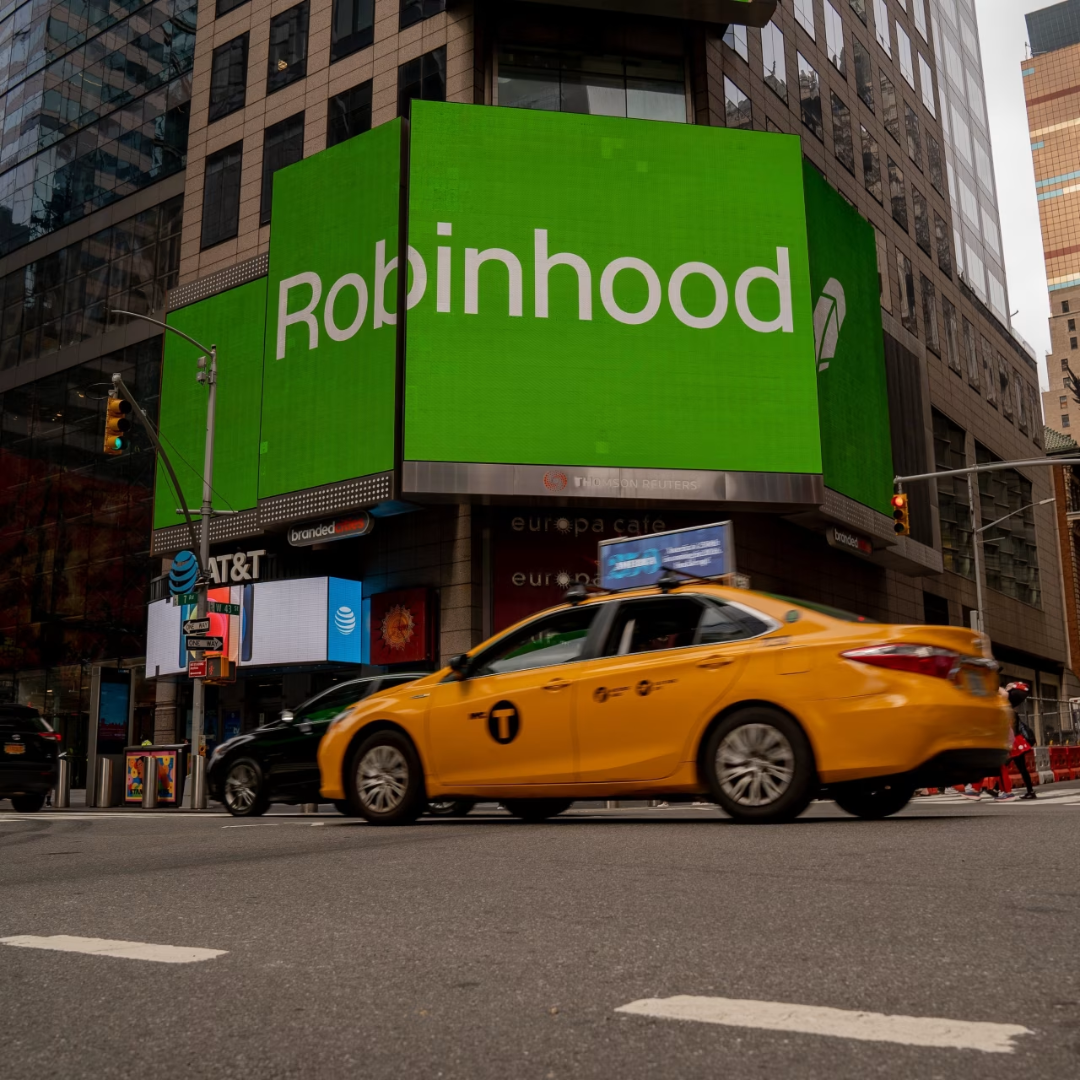
Robinhood announced this morning it’s cutting approximately 290 employees, roughly 10% of its roughly 2,900-person workforce. CEO Vlad Tenev shared the news in a memo posted to X: “Robinhood’s business has never been stronger. We cannot default to operating as a heavily-layered organization. We must be a lean, hyper-focused team.”
He’s not wrong about the business. Robinhood reported record trading volumes in June across equities, options, and prediction markets. The company expects $20 million in restructuring charges and $8 million in share-based compensation, both in Q2. Shares rose roughly 2.5% in premarket trading.
Pay attention to the language, because it’s becoming the template. “Position of strength.” “Flatten the layers.” “Lean, hyper-focused team.” A profitable company with record activity cutting 10% of its people anyway, and framing the cuts as a feature of ambition, not a response to trouble.
This is a different kind of layoff from the ones we’ve been watching in tech over the past two years. The earlier rounds were correction cuts: companies like Meta and Google had massively over-hired in 2021-2022 and were right-sizing. These efficiency cuts are something else. Robinhood’s headcount had actually grown 22% over the past year before today’s reduction. They’re trimming a structure that got too tall, and “flattening layers” is corporate language for cutting the people who coordinate other people rather than directly move the business.
Staffing your team doesn’t have to be hard.
Reach out and see how we can help.
What AI Skills Actually Do for Pay and Career Timelines
While the headline hiring numbers cool, new research on more than 35 million global job postings between 2021 and 2026, including nearly 8.7 million in the U.S., finds that AI skills are creating a measurable divergence in who gets promoted and what they earn.
The headline number: professionals with advanced AI credentials are cutting their promotion timelines by up to 3.5 years. Worth reading “up to” carefully, that’s the ceiling, not the average. The salary picture is more consistent. AI-integrated roles are paying up to a 25% salary premium. At the entry level specifically: financial analysts with AI skills start 25% higher, customer service roles carry a 24% premium, and content writers with AI skills earn 25% more.
The job mix shift inside customer service is the most striking data point. Traditional customer service representative roles contracted 33% over the period studied, while AI-integrated versions of the same job grew 565%. That’s the actual shape of what’s happening to mid-level service work: the role persists, but it gets rewritten around AI, and the people who don’t learn the tools get left behind as the old version of the job shrinks.
The human-skills data deserves equal attention. As routine tasks get automated away, postings mentioning emotional intelligence jumped 173%, creativity 168%, and problem-solving 35% over the past year. The winning profile in this market is both fluent with the tools and strong on the human layer. The hiring bottleneck at the top also tells you something real. AI Solutions Leads have a 26.9% vacancy rate. Machine learning engineer time-to-fill has stretched to 53 days, up from 23 days in 2022. Employers are struggling to find people who can actually operationalize this stuff, which means if you’re building those skills now, you’re entering a considerably thinner candidate pool.